
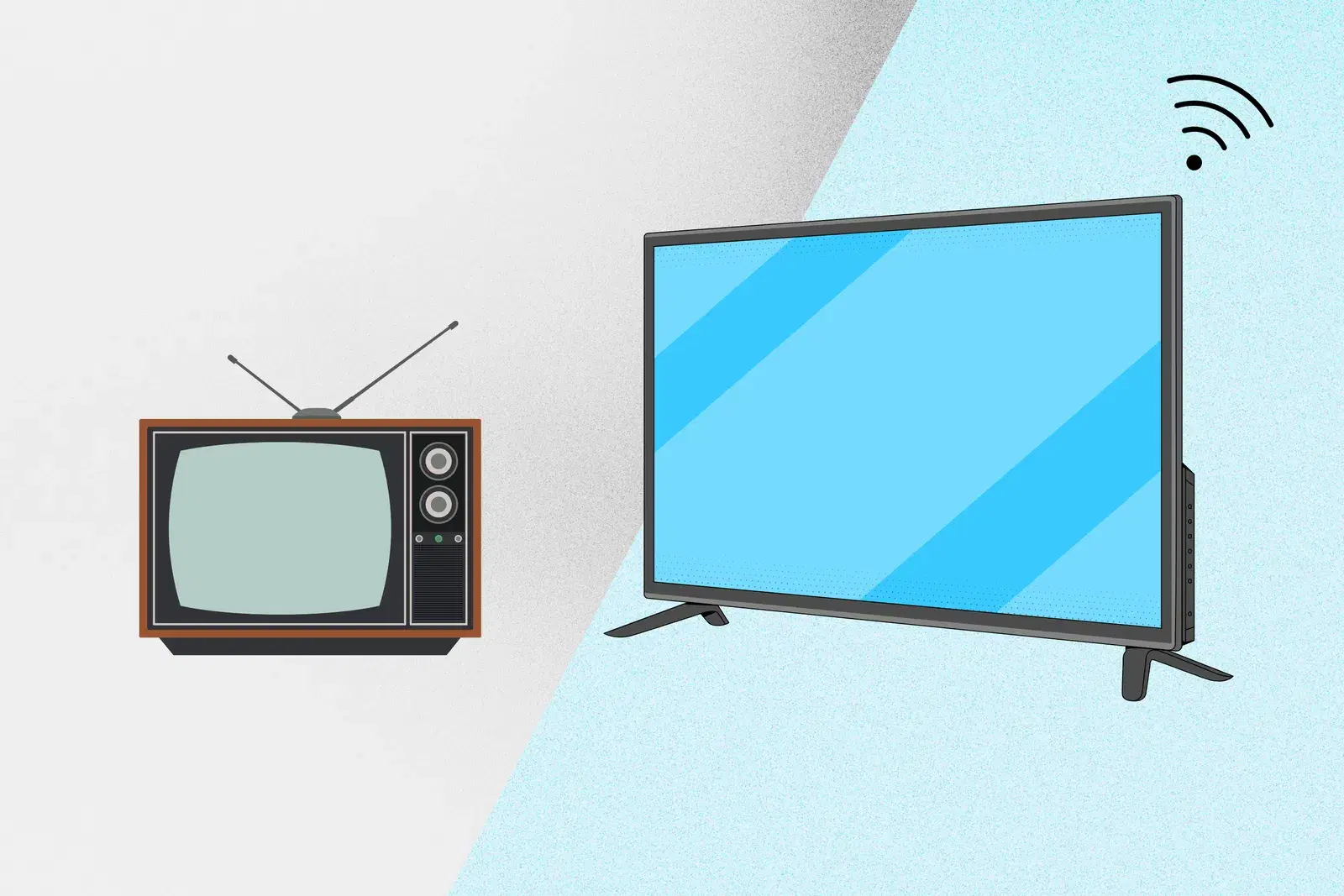
TV advertising has been the classic choice for large reach for decades. Streaming advertising is the newer, data-driven path onto the same big screen. If you're weighing where your budget is better spent, the honest answer is: it depends. Often, the two even complement each other. This article compares classic TV advertising and streaming advertising along the points that matter for your decision.
Classic TV advertising: the strengths
Television remains the central screen in the living room. A spot on linear programming reaches a very large, broad audience in one go and pays strongly into awareness and trust. Especially for building a brand, this impact is hard to replace, and why TV enjoys so much trust with consumers is shown in the article on the most trustworthy advertising medium.
The price for this reach: the advertising is broadcast broadly, regardless of who's actually watching. It can only be measured roughly, and getting started is usually only possible from high budgets.
Find your fit: TV or streaming!
Book a demoStreaming advertising: the strengths
Streaming advertising runs on the same big screen, but works behind the scenes like digital marketing. You specifically address the people who fit your offering, measure transparently what your campaign is delivering, and can get started with a smaller budget too.
And reach is growing: according to the AGF-Plattformstudie 2025, around 70% of households in Germany have at least one internet-connected TV device. According to a survey by the German state media authorities (die Medienanstalten), about two-thirds of people use connected TV at least monthly for video, more than any other device. Classic reception routes like cable and satellite, meanwhile, are losing importance.
The direct comparison
Reach: Linear TV delivers a large, broad reach all at once, but is slowly losing ground. Streaming is growing and now reaches most households, also on the big screen.
Targeting: This is where the biggest difference lies. TV broadcasts broadly and can at best be targeted roughly by region. With streaming, you target precisely by region, age, gender, and interests, sometimes even based on your own data like from a CRM. How strong this lever is, especially locally, is shown in the article on regional targeting in streaming TV.
Measurability: Classic TV is hard to measure exactly. With streaming, you see in the dashboard, updated daily, how often your spot ran and how it's performing, and can adjust accordingly.
Entry and budget: Classic TV advertising usually requires high budgets. Streaming is possible with a noticeably smaller commitment through self-service platforms. How costs generally break down is shown in the TV advertising price guide.
Ad experience: Both run on the big screen, with sound and high attention. Streaming spots are usually non-skippable and watched almost in full. Why this contact is so valuable is explained in the overview of the premium quality of streaming advertising.
Do I have to choose?
No. TV and streaming aren't mutually exclusive, they complement each other. Anyone with a large budget who wants to build broad awareness is well served by classic TV. Anyone who wants to advertise precisely, measurably, and with a manageable commitment can hardly avoid streaming. And the lines are blurring anyway, as shown in the article Linear TV Meets Streaming.
For small and medium-sized businesses, the math is often simple: streaming lowers the entry barrier and makes the big screen accessible in the first place, without a multi-million budget and without an agency.
Running streaming advertising with onescreen
onescreen brings the strengths of streaming into a simple self-service platform. You specifically choose the streaming services your advertising should run on, whether Netflix, Prime Video, Disney+, RTL+, or from around 45 other services. You target by postal code, age, gender, interests, and household size, and if you don't have a finished spot, onescreen helps you create one, including with the help of AI.
Your spots run non-skippable, the completion rate sits at around 98%, and in the dashboard you track everything updated daily. onescreen campaigns generally start from EUR 1,000. That's the platform-wide entry point across all streamers, individual streamers come with their own minimum budget. Through the SwitchIn, onescreen even brings targeted addressing into live TV programming, so both worlds can be combined.
Conclusion
The question is less "TV or streaming" than "what fits your goal and your budget." Classic TV remains strong for broad brand building. Streaming makes the big screen targeted, measurable, and accessible for smaller budgets too. For most small and medium-sized businesses, streaming is therefore the more pragmatic entry point.
Want to know what's possible for your budget? Book a demo, and we'll show you the possibilities in 30 minutes. Or get started directly in the Ad Manager.
FAQ
What is the difference between TV advertising and streaming advertising? Classic TV advertising runs on linear programming and reaches a broad audience, but can only be targeted and measured roughly. Streaming advertising runs on the same big screen, but can be targeted precisely, measured on a daily basis, and started with a smaller budget.
Is streaming advertising cheaper than TV advertising? Not necessarily per contact, but the entry point is significantly lower. Classic TV advertising usually requires high budgets, while streaming through self-service platforms like onescreen is possible from the platform-wide entry point of EUR 1,000. Individual streamers come with their own minimum budget.
Can I combine TV and streaming? Yes, and often that's exactly the smart move. TV builds broad awareness, streaming adds targeted, measurable reach. Through the SwitchIn, onescreen can even bring addressable advertising into live TV programming.
Who benefits most from streaming advertising? Especially small and medium-sized businesses that want to advertise precisely, regionally, and measurably, without the high entry budget of classic TV advertising.